
 Oscar
Oscar
The idea of home has changed dramatically over the past decade. Modern homeowners are no longer focused only on square footage or luxury finishes. Instead, people are looking for spaces that improve comfort, support flexible lifestyles, and create a stronger sense of connection. Across cities, suburbs, and developing residential communities, home design preferences continue to evolve in response to changing social habits, technology, sustainability concerns, and lifestyle expectations.
Contemporary neighborhoods are becoming More thoughtful in both architecture and functionality. Homes are designed to reflect how people truly live rather than simply how spaces appear in photographs. This shift has influenced everything from interior layouts to outdoor living areas, creating neighborhoods that feel more personalized and community driven.
Open Layouts Continue To Shape Modern Living
One of the biggest shifts in home design is the growing preference for open and adaptable layouts. Traditional floor plans with isolated rooms are becoming less common as homeowners prioritize shared living spaces. Kitchens now flow naturally into dining and lounge areas, creating environments that encourage communication and social interaction.
Families often want homes that can easily adapt to different situations throughout the day. A dining space may also serve as a work area, while living rooms may include entertainment zones, study corners, or wellness spaces. This flexibility has become especially valuable as remote work and hybrid lifestyles continue to influence modern living habits.
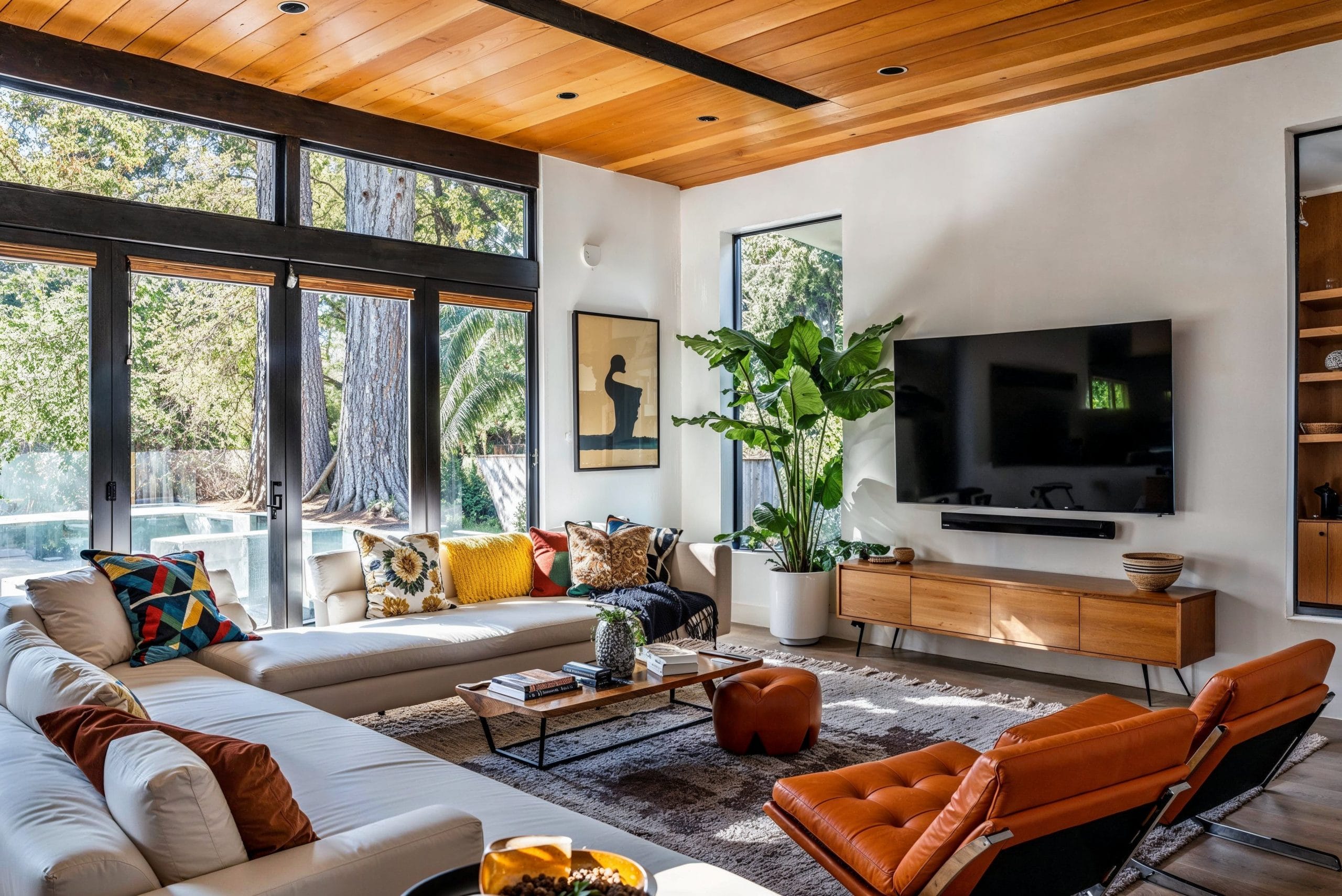
Contemporary neighborhoods are also embracing larger windows, natural lighting, and indoor outdoor transitions. Homes are being designed to feel brighter and more spacious without necessarily increasing overall size.
Sustainability Is Influencing Design Choices
Environmental awareness is becoming a major factor in residential architecture. Many homeowners now prioritize energy efficient features, sustainable materials, and eco conscious construction methods. Solar panels, efficient insulation, water saving systems, and smart climate controls are becoming more common in both new developments and renovated properties.
Builders are also focusing on materials that offer durability and reduced environmental impact. Natural textures such as timber, stone, and recycled materials are increasingly visible in modern interiors. These design elements help create homes that feel warm and connected to nature.
At the same time, homeowners are paying more attention to long term efficiency rather than temporary trends. This mindset reflects broader conversations frequently highlighted in trending news Australia, where sustainability and urban planning continue to shape public discussion around future living standards.
Technology Is Quietly Redefining Everyday Homes
Smart technology has become a subtle but powerful part of contemporary home design. Instead of focusing on futuristic appearances, homeowners now want technology that improves convenience and efficiency in practical ways.
Automated lighting systems, voice controlled devices, advanced security systems, and smart appliances are increasingly integrated into modern homes. These technologies allow residents to manage energy use, improve security, and simplify daily routines.
Importantly, technology is no longer treated as an optional luxury. In many contemporary neighborhoods, digital connectivity is considered an essential part of modern living. Fast internet access, integrated charging stations, and home office functionality have become expected features for many buyers.
The influence of innovation can also be seen among the best businesses Australia, where developers and designers are investing heavily in smart housing concepts that balance technology with comfort and practicality.
Outdoor Spaces Are Becoming More Meaningful
Another major shift in home design involves outdoor living. Modern homeowners increasingly view outdoor areas as extensions of the interior rather than separate spaces. Patios, balconies, gardens, and courtyards are now designed with comfort and functionality in mind.
In urban environments where indoor space may be limited, outdoor areas offer valuable opportunities for relaxation, entertainment, and personal wellbeing. Small gardens, vertical greenery, and multi purpose outdoor seating areas are becoming more common across contemporary neighborhoods.
People are also developing a stronger appreciation for natural surroundings within residential communities. Tree lined streets, Walkable pathways, and shared green spaces contribute to a more balanced and welcoming atmosphere.
Publications such as melbourne journal frequently highlight how urban planning and residential landscaping continue to influence the emotional experience of city living.
Personalized Interiors Reflect Individual Identity
Modern home design is increasingly focused on individuality. Instead of following one dominant trend, homeowners are combining influences that reflect personal taste, lifestyle, and cultural identity.
Neutral tones remain popular, but they are often paired with unique textures, statement furniture, artistic decor, and personalized layouts. Many people are choosing interiors that feel calm, functional, and emotionally comforting rather than overly decorative.
This movement toward personalization also reflects changing attitudes toward ownership and self expression. Contemporary homes are expected to support emotional wellbeing as much as visual appeal.
In many communities, the preferences of residents help shape broader neighborhood identity. The lifestyles and creative choices of the people of sydney demonstrate how modern urban residents increasingly value authenticity, practicality, and comfort in residential environments.
Community Focus Is Reshaping Residential Developments
Beyond individual homes, contemporary neighborhoods are also evolving socially. Many modern developments are designed to encourage interaction, accessibility, and shared experiences. Walkable streets, community parks, cafes, and mixed use spaces are becoming central features in urban planning.
Residents increasingly value convenience and connection alongside privacy. Neighborhoods that support active lifestyles, social engagement, and easy access to services often attract stronger long term interest from buyers and renters alike.
The rise of the urban aussie lifestyle reflects this broader movement toward balanced living, where people seek communities that combine modern convenience with emotional wellbeing and social connection.
Conclusion
Home design preferences will continue to evolve as lifestyles, technology, and social priorities change. Across contemporary neighborhoods, homeowners are looking beyond appearance alone and focusing more on comfort, sustainability, flexibility, and meaningful living experiences. Modern homes are becoming reflections of how people truly want to live. Whether through open layouts, sustainable materials, smarter technology, or stronger community design, today’s residential spaces are adapting to meet the expectations of a rapidly changing world. As neighborhoods continue to grow and transform, thoughtful design will remain central to creating homes that support both personal wellbeing and connected communities.

Oscar writes about home improvement, décor trends, and DIY design tips on Floor N Home to help readers create beautiful and functional living spaces. With a passion for inspiring interiors, Oscar brings practical ideas to life one blog post at a time.

